Care Guide for Chamaedorea elegans Mart
1. Light
- Ideal Light: Chamaedorea elegans (Parlor Palm) thrives in low to medium indirect light. It can tolerate lower light conditions than many other houseplants, making it perfect for dimmer indoor spaces.
- Light Placement: Place in north or east-facing windows, or a few feet away from south or west-facing windows with filtered light. It can adapt to fluorescent lighting in offices.
- Avoid Direct Sunlight: Direct sunlight can scorch the delicate fronds. If placed near a south or west-facing window, ensure it's protected by a sheer curtain or placed several feet away from the window.
2. Watering
- Watering Frequency: Allow the top inch of soil to dry out between waterings. Parlor Palms are sensitive to overwatering, which is the most common cause of problems.
- Seasonal Adjustments: Water less frequently during winter months when growth slows. Increase watering slightly during active growth in spring and summer.
- Watering Technique: Water thoroughly until it drains from the bottom of the pot, then empty the drainage tray to prevent the plant from sitting in water.
- Signs of Improper Watering: Yellowing fronds often indicate overwatering, while brown tips suggest underwatering or low humidity. Err on the side of underwatering rather than overwatering.
3. Humidity
- Humidity Level: Parlor Palms prefer moderate humidity (40-50%) but can adapt to average indoor humidity levels.
-
How to Increase Humidity:
- Mist the foliage occasionally with room temperature water, especially during winter when indoor air is drier.
- Place the pot on a tray filled with pebbles and water (ensure the pot isn't sitting directly in water).
- Group with other plants to create a more humid microclimate.
- Use a humidifier nearby if the air is very dry, especially during winter months.
- Ideal Temperature: Parlor Palms prefer average room temperatures between 65-80°F (18-27°C).
- Minimum Temperature: Do not allow temperatures to drop below 50°F (10°C), as cold temperatures can damage the plant.
- Avoid Temperature Fluctuations: Keep away from cold drafts, air conditioning vents, and heating sources. Sudden temperature changes can stress the plant.
- Soil Type: Use a well-draining, peat-based potting mix. A standard houseplant potting soil with added perlite for drainage works well.
- Soil pH: Slightly acidic to neutral soil (pH 5.5-7.0) is preferred.
- Drainage: Good drainage is essential as the plant is susceptible to root rot. Use a pot with drainage holes to prevent water from collecting at the bottom.
- Fertilizer Type: Use a balanced liquid houseplant fertilizer diluted to half the recommended strength.
- Fertilizing Frequency: Feed every 2-3 months during the growing season (spring and summer). Do not fertilize in fall and winter when growth slows.
- Application Method: Apply to moist soil to prevent root burn. Over-fertilization can cause brown leaf tips and edges.
- After Repotting: Do not fertilize for at least 2-3 months after repotting. With fresh soil, your plant will not need immediate fertilization.
- Frequency: Parlor Palms grow slowly and prefer to be slightly rootbound. Repot only every 2-3 years or when the plant becomes extremely rootbound.
- Pot Size: Choose a pot that's only 1-2 inches larger in diameter than the current pot. Too large a pot can lead to overwatering issues.
- Repotting Process: Gently remove the plant from its current pot, disturb the roots as little as possible, and place in the new pot with fresh potting mix. Water lightly after repotting.
- Regular Maintenance: Remove any yellow or brown fronds at the base using clean, sharp scissors or pruning shears.
- Shaping: Parlor Palms generally don't require shaping. They naturally grow in an attractive form. Only remove damaged or dead fronds.
- Cleaning: Dust the fronds periodically with a soft, damp cloth or give the plant an occasional shower to remove dust and enhance the plant's appearance.
- Common Pests: Spider mites, mealybugs, and scale insects. Regularly inspect the undersides of fronds and stems for signs of infestation.
- Pest Prevention: Maintain proper humidity and regularly clean the foliage to help prevent pest infestations.
- Treatment: If pests are found, wipe the fronds with a damp cloth or use insecticidal soap. For severe infestations, use a systemic insecticide specifically labeled for indoor plants.
- Disease Prevention: Avoid overwatering to prevent root rot. Ensure good air circulation around the plant.
- Reduced Watering: Water less frequently during winter months, allowing the soil to dry out more between waterings.
- Temperature: Keep temperatures above 50°F (10°C) and protect from cold drafts.
- Light: Ensure the plant still receives adequate indirect light during shorter winter days. You may need to move it closer to a window.
- Humidity: Indoor heating can reduce humidity levels in winter, so consider using a humidifier or pebble tray to maintain adequate moisture in the air.
-
Division:
- Parlor Palms can be propagated by division when repotting, though they are slow to establish.
- Carefully separate the root ball into sections, ensuring each section has several fronds and healthy roots.
- Plant each division in its own pot with fresh potting mix.
- Water lightly and place in indirect light. Keep the soil slightly moist until new growth appears.
-
Seeds:
- Parlor Palms rarely flower and produce seeds indoors, making seed propagation uncommon for houseplants.
- If seeds are available, sow them in moist potting mix and cover lightly.
- Keep warm (70-80°F/21-27°C) and consistently moist until germination, which can take several months.
- Seedlings grow very slowly and may take years to reach a desirable size.
4. Temperature
5. Soil
6. Fertilization
7. Repotting
8. Pruning
9. Pests and Diseases
10. Winter Care
11. Propagation
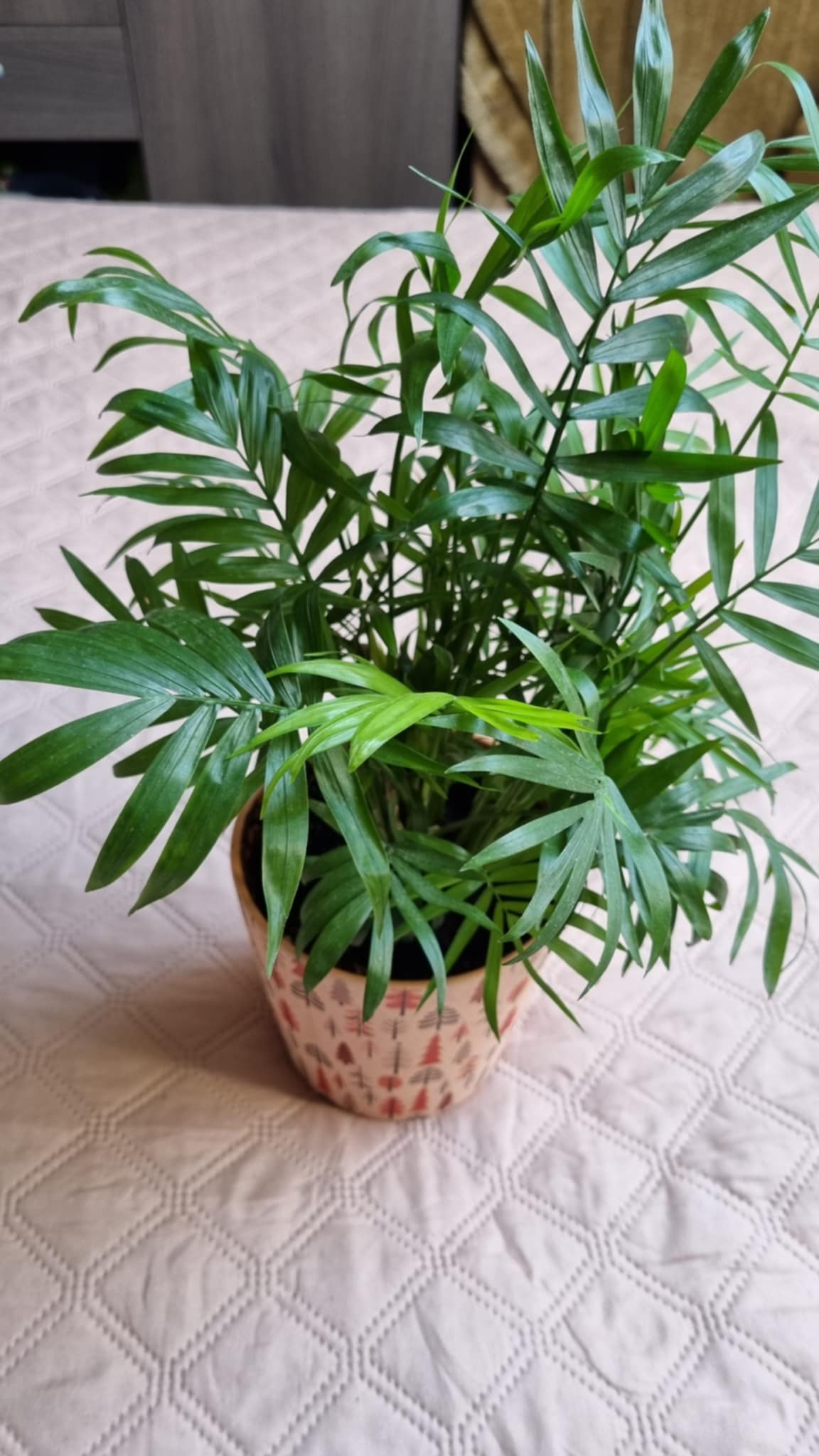
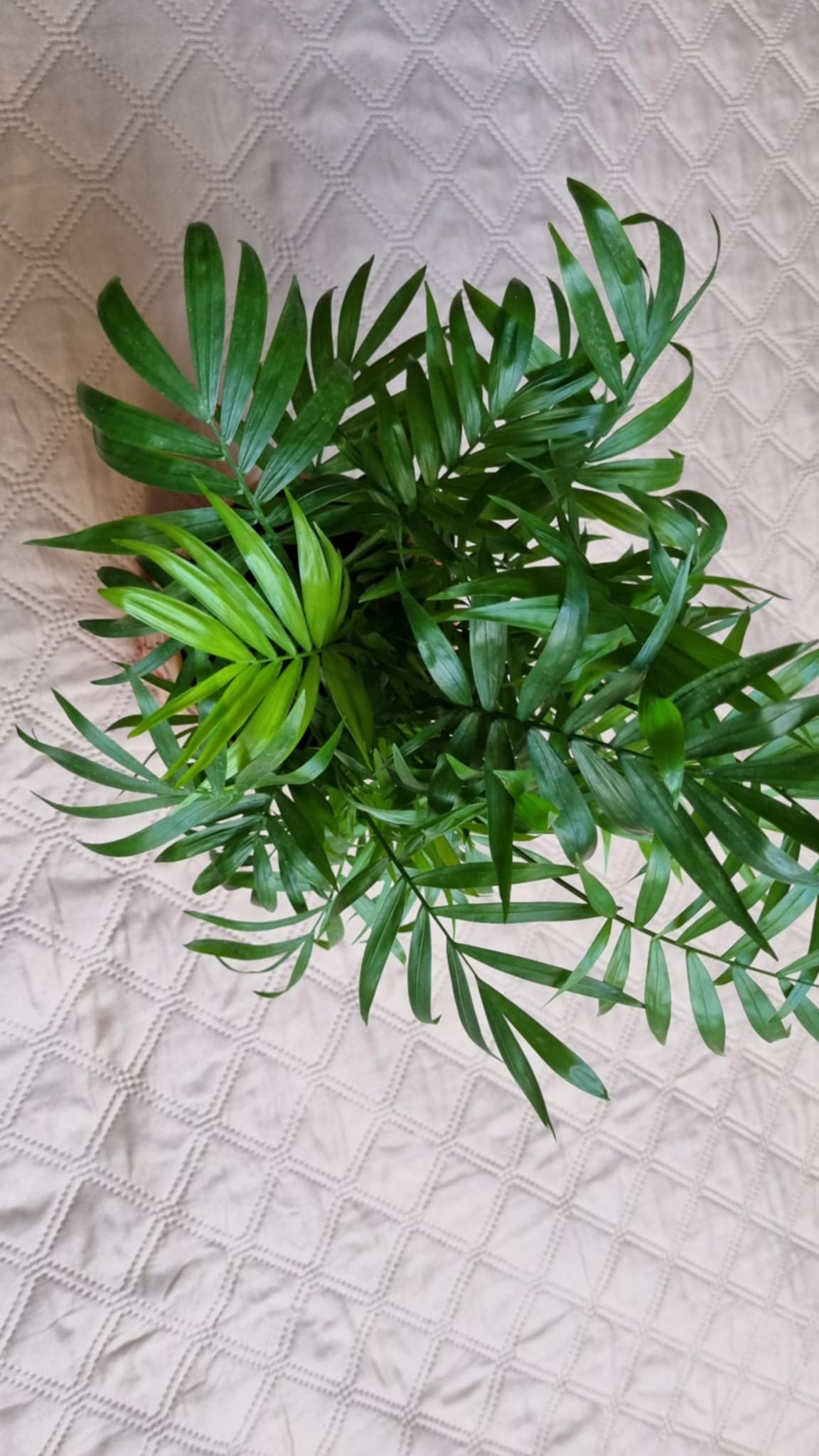
Chamaedorea elegans, commonly known as Parlor Palm or Neanthe Bella Palm, is a small, elegant palm native to the rainforests of Southern Mexico and Guatemala. It has been a popular houseplant since the Victorian era due to its ability to tolerate low light and indoor conditions. The Parlor Palm features delicate, feathery fronds with narrow, pinnate leaflets on slender stems, creating a graceful, arching form. It grows slowly, typically reaching 2-4 feet tall indoors, making it suitable for small spaces. Unlike many other palms, it can thrive in lower light conditions, though it grows best in bright, indirect light. The plant occasionally produces small, yellow flowers followed by black berries when mature, though flowering is rare indoors. Parlor Palms are non-toxic to pets and humans, making them safe choices for homes with children and animals. They also help improve indoor air quality by removing toxins. With their low maintenance requirements and classic appearance, Parlor Palms remain one of the most popular and enduring houseplants, perfect for beginners and experienced plant owners alike.