Care Guide for Monstera Thai Constellation
1. Light
- Ideal Light: Monstera Thai Constellation thrives in bright, indirect light. Good light is essential to maintain its beautiful variegation pattern.
- Light Placement: Place near an east or north-facing window, or a few feet away from a south or west-facing window with filtered light through a sheer curtain. Never in deep shade or direct sun.
- Avoid Direct Sunlight: Direct sunlight, especially during hot afternoons, can scorch the leaves and cause the variegation to fade. Too little light will result in leggy growth and reduced variegation.
2. Watering
- Watering Frequency: Allow the top 2-3 inches of soil to dry out between waterings. This usually means watering once every 7-10 days, depending on your environment and season.
- Seasonal Adjustments: During the growing season (spring and summer), water more frequently. Reduce watering in fall and winter when growth slows down.
- Watering Technique: Water thoroughly until it drains from the bottom of the pot, then empty the drainage tray to prevent the plant from sitting in water.
- Signs of Improper Watering: Yellowing lower leaves often indicate overwatering, while brown leaf edges suggest underwatering or low humidity. Thai Constellations are more susceptible to root rot than regular Monsteras, so err on the side of underwatering.
3. Humidity
- Humidity Level: Monstera Thai Constellation prefers moderate to high humidity (60-80%) as it originates from tropical regions.
-
How to Increase Humidity:
- Mist the leaves occasionally with filtered water, avoiding the variegated parts to prevent spotting.
- Place the pot on a tray filled with pebbles and water (ensure the pot isn't sitting directly in water).
- Group with other humidity-loving plants to create a more humid microclimate.
- Use a humidifier nearby, which is the most effective method, especially during winter when indoor air is drier.
4. Temperature
- Ideal Temperature: Monstera Thai Constellation prefers warm temperatures between 65-85°F (18-29°C).
- Minimum Temperature: Do not allow temperatures to drop below 60°F (15°C), as cold temperatures can damage the plant. This variegated variety is more sensitive to cold than regular Monsteras.
- Avoid Temperature Fluctuations: Keep away from cold drafts, air conditioning vents, and heating sources. Sudden temperature changes can stress the plant and cause leaf damage.
5. Soil
- Soil Type: Use a well-draining, chunky aroid mix. A good recipe is equal parts potting soil, orchid bark, perlite, and a bit of charcoal.
- Soil pH: Slightly acidic to neutral soil (pH 5.5-7.0) is preferred.
- Drainage: Excellent drainage is crucial as these plants are susceptible to root rot. Use a pot with drainage holes and consider a terracotta pot to help the soil dry more evenly.
6. Fertilization
- Fertilizer Type: Use a balanced liquid fertilizer (NPK 5-5-5 or 10-10-10) diluted to half the recommended strength. Variegated plants may benefit from lower nitrogen levels to help maintain variegation.
- Fertilizing Frequency: Feed monthly during the growing season (spring and summer). Reduce to once every 6-8 weeks in fall and stop fertilizing in winter when growth slows.
- Application Method: Apply to moist soil to prevent root burn. Fertilizing dry soil can damage the roots.
- After Repotting: Wait 4-6 weeks after repotting before fertilizing to avoid stressing the plant.
7. Repotting
- Frequency: Repot every 2-3 years or when the plant becomes rootbound, typically in spring.
- Pot Size: Choose a pot that's only 2-4 inches larger in diameter than the current pot. Thai Constellation grows more slowly than regular Monstera deliciosa.
- Repotting Process: Gently remove the plant from its current pot, loosen the root ball slightly, and place in the new pot with fresh potting mix. Handle with care as Thai Constellation is more sensitive than regular Monsteras. Water thoroughly after repotting.
8. Pruning
- Regular Maintenance: Remove yellow or damaged leaves to promote healthy growth. Use clean, sharp scissors or pruning shears sterilized with alcohol.
- Shaping: Trim back overgrown areas to maintain the desired shape and size. This encourages bushier growth. Cut just above a node to encourage new growth from that point.
- Cleaning: Gently clean the leaves monthly with a soft, damp cloth to remove dust and enhance the plant's appearance and photosynthesis efficiency. Avoid leaf shine products on this delicate variety.
9. Pests and Diseases
- Common Pests: Spider mites, mealybugs, scale insects, and thrips. The lighter variegated areas can be especially attractive to pests. Regularly inspect the leaves, stems, and leaf axils.
- Pest Prevention: Regular cleaning of leaves, maintaining proper humidity, and good air circulation can help prevent pest infestations.
- Treatment: If pests are found, isolate the plant immediately and treat with insecticidal soap or neem oil. Always test on a small area first, as variegated leaves can be more sensitive.
- Disease Prevention: Avoid overwatering to prevent root rot. Ensure good air circulation to prevent fungal issues, especially in high humidity environments.
10. Winter Care
- Reduced Watering: Since the plant is less active in winter, significantly reduce watering frequency but monitor soil moisture.
- Temperature: Maintain temperatures above 65°F (18°C) and protect from cold drafts and sudden temperature changes.
- Light: Ensure the plant still receives adequate bright, indirect light during shorter winter days. You may need to move it closer to a window or supplement with grow lights.
- Humidity: Indoor heating can reduce humidity levels in winter, so consider using a humidifier to maintain adequate moisture in the air.
11. Propagation
-
Stem Cuttings in Water:
- Select a healthy stem with at least one node and preferably an aerial root. Cutting below a node, taking a segment with 1-2 leaves.
- Place the cutting in clean water, ensuring the node is submerged but the leaf is not.
- Change the water every 3-5 days and keep in bright, indirect light.
- Once roots are 2-4 inches long (4-8 weeks), transfer to soil. Note that variegation pattern may vary in propagated plants.
-
Stem Cuttings in Soil:
- Take a stem cutting as described above, but allow the cut end to callus for 24 hours.
- Plant directly in moist aroid soil mix, ensuring the node is buried.
- Keep the soil consistently moist but not soggy and maintain high humidity by covering with a clear plastic bag with holes.
- Note that Thai Constellation is tissue cultured and propagation may result in different variegation patterns in the new plants.
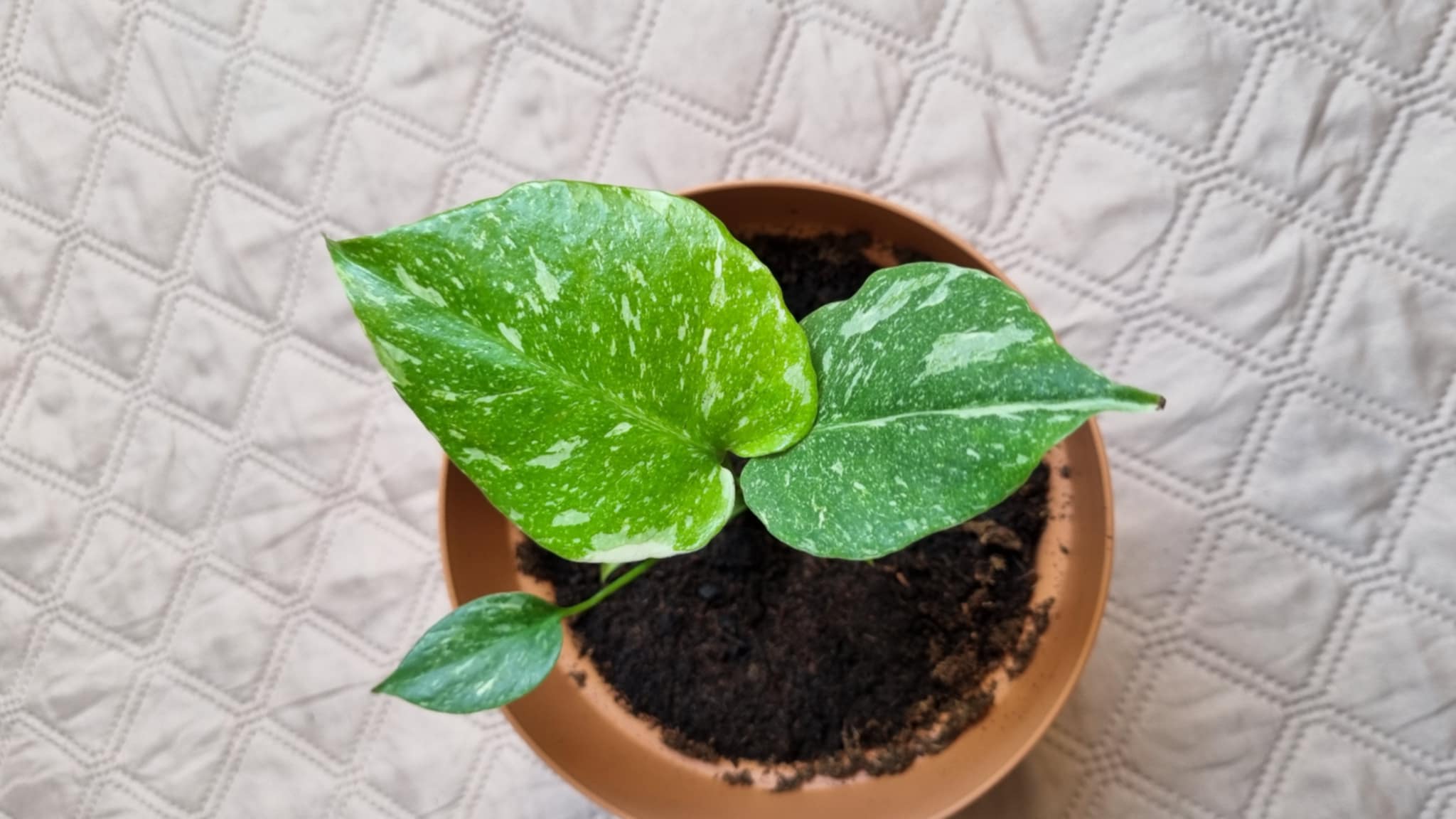
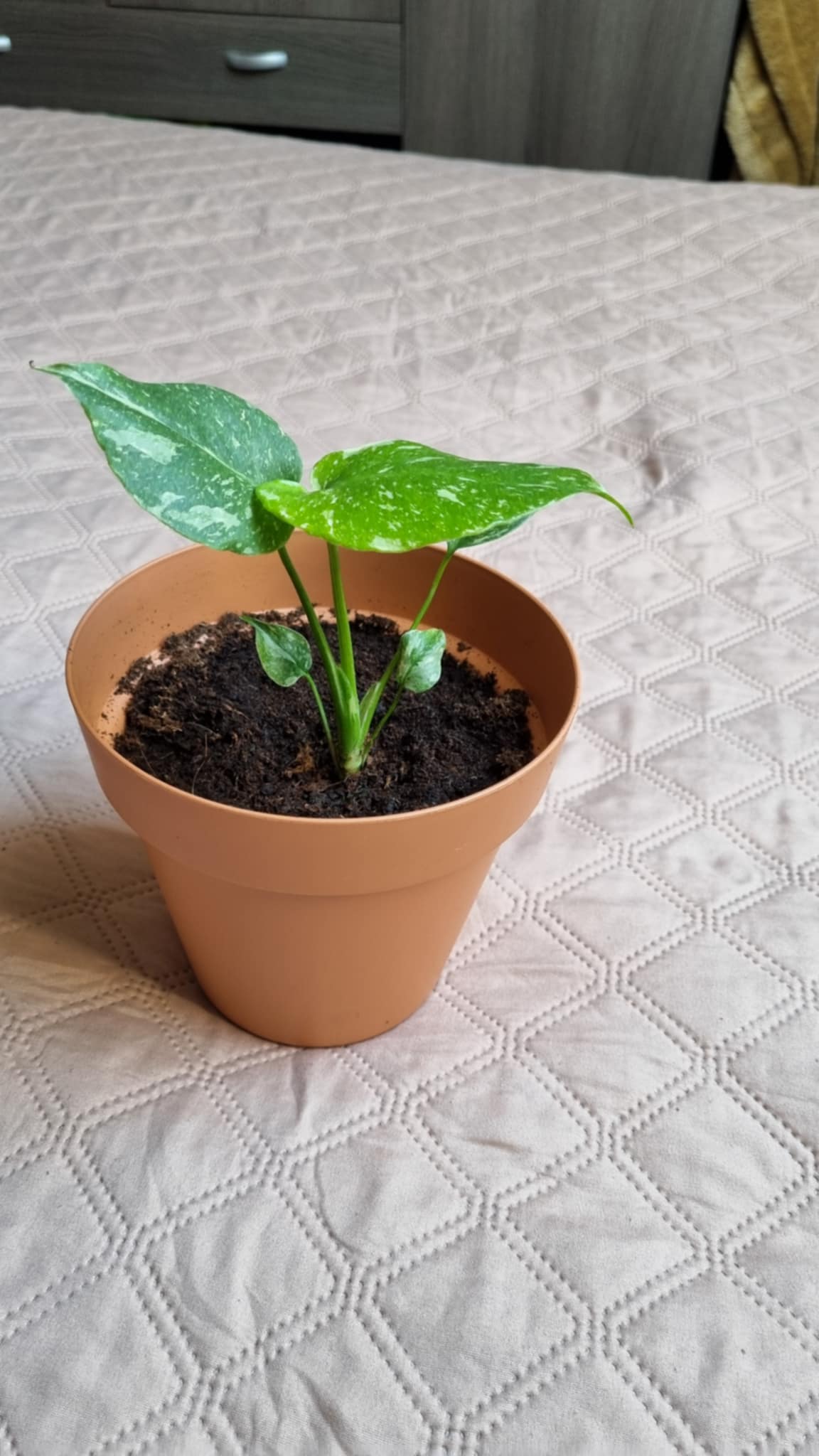
Monstera Thai Constellation is a stunning variegated cultivar of Monstera deliciosa, created through tissue culture rather than natural mutation. This gives it stable, cream-colored speckles and streaks across the leaves that resemble stars in the night sky, hence the "constellation" name. The variegation is fixed genetically and won't revert to solid green like some other variegated plants. Thai Constellation grows more slowly than regular Monstera deliciosa due to the reduced chlorophyll content in its variegated portions. The plant develops the characteristic fenestrations (splits) and perforations in the leaves as it matures, creating a dramatic tropical statement. As it grows, it will benefit from a moss pole or trellis for support, which encourages larger leaf development. This rare and highly sought-after houseplant is considered a collector's item due to its stable variegation and distinctive star-like pattern. With proper care focusing on bright indirect light, appropriate watering, high humidity, and warm temperatures, your Monstera Thai Constellation can thrive as a spectacular centerpiece in your indoor plant collection.
Comments