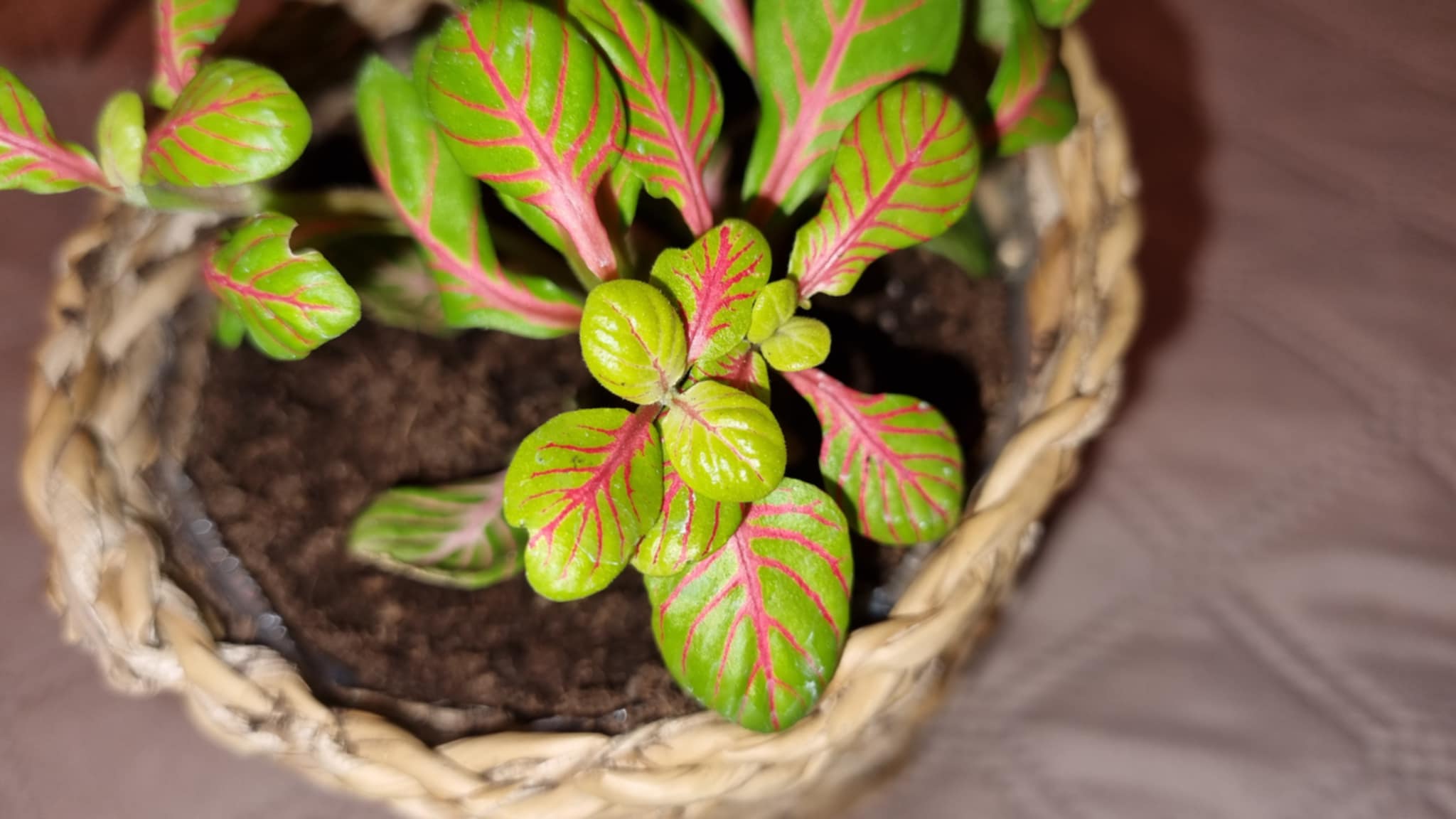
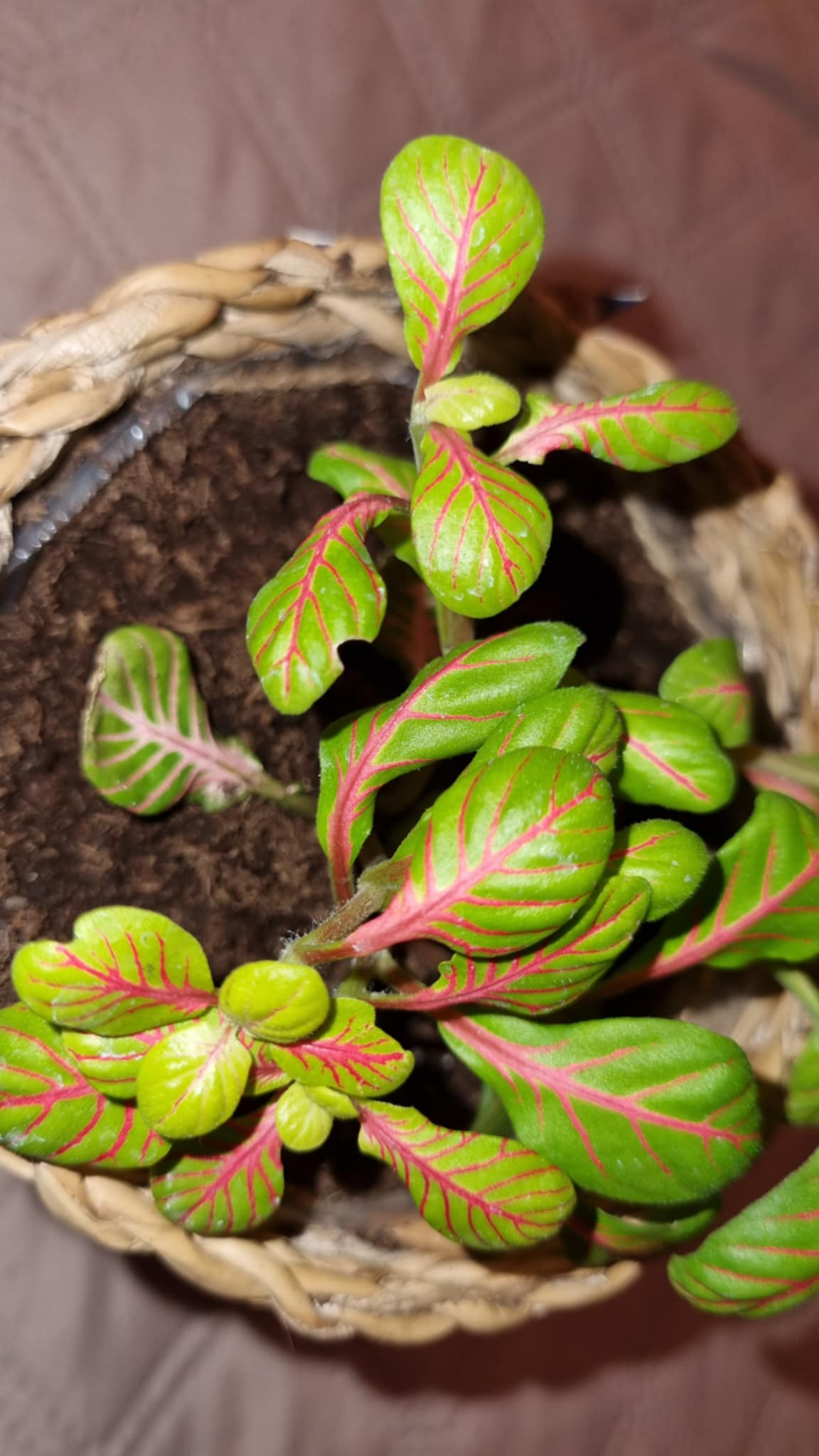
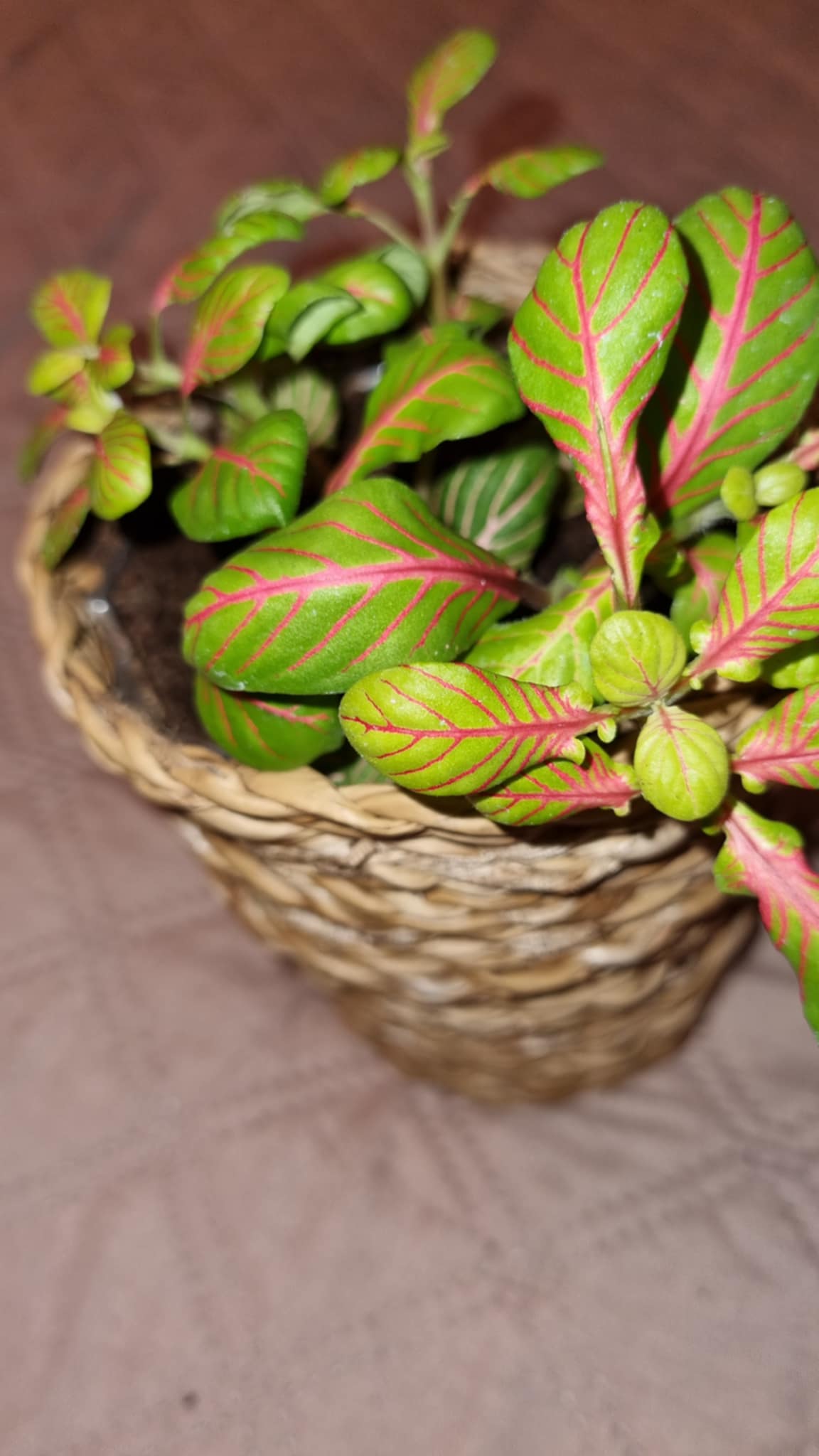
Care Guide for Fittonia Bubble Green
1. Light
- Ideal Light: Fittonia Bubble Green (Nerve Plant) thrives in medium to bright indirect light. It cannot tolerate direct sunlight, which will scorch its delicate leaves.
- Light Placement: Place in an east or north-facing window, or a few feet away from a south or west-facing window with filtered light. Can also grow under fluorescent lights, making it suitable for terrariums and offices.
- Avoid Low Light: While Fittonia can survive in lower light conditions, its vibrant leaf patterns and compact growth will diminish. The distinctive green veining on the bubble-textured leaves requires adequate light to maintain its striking appearance.
2. Watering
- Watering Frequency: Keep the soil consistently moist but not soggy. Water when the top half-inch of soil feels dry to the touch. Typically, this means watering every 3-4 days in warmer months and less frequently in winter.
- Seasonal Adjustments: During winter, reduce watering frequency but never allow the soil to dry out completely. Increase watering during active growth in spring and summer.
- Watering Technique: Water thoroughly until it drains from the bottom of the pot, then empty the drainage tray to prevent the plant from sitting in water. Bottom watering can also be effective for Fittonia.
- Signs of Improper Watering: Fittonia is dramatic and will quickly wilt when underwatered, but usually recovers rapidly after watering. Overwatering leads to yellowing leaves and potential root rot. The plant will often "tell" you when it needs water by drooping noticeably.
3. Humidity
- Humidity Level: Fittonia Bubble Green requires high humidity (60-90%). It is native to tropical rainforests and needs moisture in the air to thrive.
-
How to Increase Humidity:
- Mist the foliage daily with room temperature water, especially during dry winter months.
- Place the pot on a tray filled with pebbles and water (ensure the pot isn't sitting directly in water).
- Group with other humidity-loving plants to create a more humid microclimate.
- Use a humidifier nearby - this is the most effective method for maintaining consistent humidity.
4. Temperature
- Ideal Temperature: Fittonia prefers warm temperatures between 65-75°F (18-24°C).
- Minimum Temperature: Do not expose to temperatures below 60°F (15°C), as cold temperatures can damage the plant.
- Avoid Temperature Fluctuations: Keep away from cold drafts, air conditioning vents, and heating sources. Sudden temperature changes can stress the plant significantly.
5. Soil
- Soil Type: Use a well-draining, peat-based potting mix that retains some moisture. A mix designed for African violets or tropical plants works well, or add perlite to regular potting soil for better drainage.
- Soil pH: Slightly acidic soil (pH 6.0-6.5) is preferred.
- Drainage: While good drainage is important to prevent root rot, the soil should still retain enough moisture to keep the plant hydrated between waterings.
6. Fertilization
- Fertilizer Type: Use a balanced, water-soluble fertilizer diluted to half the recommended strength, or a slow-release fertilizer formulated for houseplants.
- Fertilizing Frequency: Feed monthly during the growing season (spring and summer). Reduce or stop fertilization in fall and winter when growth slows.
- Application Method: Apply to moist soil to prevent root burn. Over-fertilization can cause brown leaf tips and edges.
- After Repotting: Wait at least one month after repotting before fertilizing to allow the plant to adjust and any root damage to heal.
7. Repotting
- Frequency: Repot every 1-2 years or when the plant becomes rootbound, typically in spring.
- Pot Size: Choose a pot that's only 1-2 inches larger in diameter than the current pot. Fittonia generally prefers to be slightly rootbound and doesn't need large pots.
- Repotting Process: Gently remove the plant from its current pot, loosen the root ball slightly, and place in the new pot with fresh potting mix. Water thoroughly after repotting and keep in a humid environment while it establishes.
8. Pruning
- Regular Maintenance: Pinch back growing tips to encourage bushier growth and prevent legginess. Remove any yellow or damaged leaves at the base.
- Shaping: Trim longer stems to maintain a compact, full appearance. Fittonia tends to spread outward rather than grow tall.
- Cleaning: Gently wipe the leaves with a damp cloth to remove dust and enhance the plant's appearance. Be careful with the textured "bubble" leaves to avoid damage.
9. Pests and Diseases
- Common Pests: Spider mites, mealybugs, and aphids. The high humidity requirements can sometimes lead to fungus gnats if the soil remains too wet.
- Pest Prevention: Regular inspection and maintaining proper humidity (but not overly wet soil) can help prevent pest infestations.
- Treatment: Isolate affected plants immediately. For minor infestations, wipe leaves with a damp cloth or use insecticidal soap. For severe cases, use neem oil or appropriate insecticides.
- Disease Prevention: Avoid overwatering and ensure good air circulation to prevent fungal issues like powdery mildew or leaf spot.
10. Winter Care
- Reduced Watering: Water less frequently during winter months, but never allow the soil to dry out completely.
- Temperature: Maintain temperatures above 65°F (18°C) and protect from cold drafts.
- Light: Move closer to a window if possible, as winter sunlight is less intense. Ensure the plant still receives adequate indirect light during shorter winter days.
- Humidity: Indoor heating can significantly reduce humidity levels in winter, so increase humidity maintenance efforts during this time. A humidifier is particularly helpful in winter months.
11. Propagation
-
Stem Cuttings:
- Take 2-3 inch stem cuttings with at least 2-3 leaf nodes, using clean, sharp scissors.
- Remove the lower leaves to expose nodes for rooting.
- Place cuttings in water or moist potting mix. If using water, change it every few days to prevent bacterial growth.
- Keep in warm, humid conditions with bright indirect light. Roots should develop within 2-3 weeks.
-
Division:
- When repotting, gently divide the plant into smaller sections, ensuring each section has adequate roots and foliage.
- Plant each division in its own pot with fresh potting mix.
- Water thoroughly and keep in a humid environment until established.
- Maintain higher humidity during the establishment period to reduce transplant shock.
Fittonia Bubble Green, commonly known as Nerve Plant or Mosaic Plant, is a striking tropical houseplant prized for its distinctive foliage. This particular variety features bright green veins set against lighter green leaves with a unique bubbled or textured surface, giving it a three-dimensional quality that distinguishes it from other Fittonia varieties. Native to the tropical rainforests of Peru, Colombia, and other parts of South America, Fittonia is a low-growing, spreading plant that typically reaches only 3-6 inches in height but can spread wider as it matures. It belongs to the Acanthaceae family and gets its common name "Nerve Plant" from the prominent vein patterns that resemble nerves or a network of veins. The "Bubble Green" variety is particularly valued for its textured leaves that add visual interest and tactile appeal. Fittonia is perfect for terrariums, dish gardens, or as a standalone houseplant in small pots. While somewhat demanding in its care requirements, particularly regarding humidity and consistent moisture, the reward is a uniquely beautiful plant that makes a statement in any indoor garden. When happy, Fittonia can occasionally produce small, insignificant flowers, but it's primarily grown for its spectacular foliage. With proper care focusing on high humidity, consistent moisture, and protection from direct sunlight, your Fittonia Bubble Green can thrive as a compact, colorful addition to your plant collection.
Comments