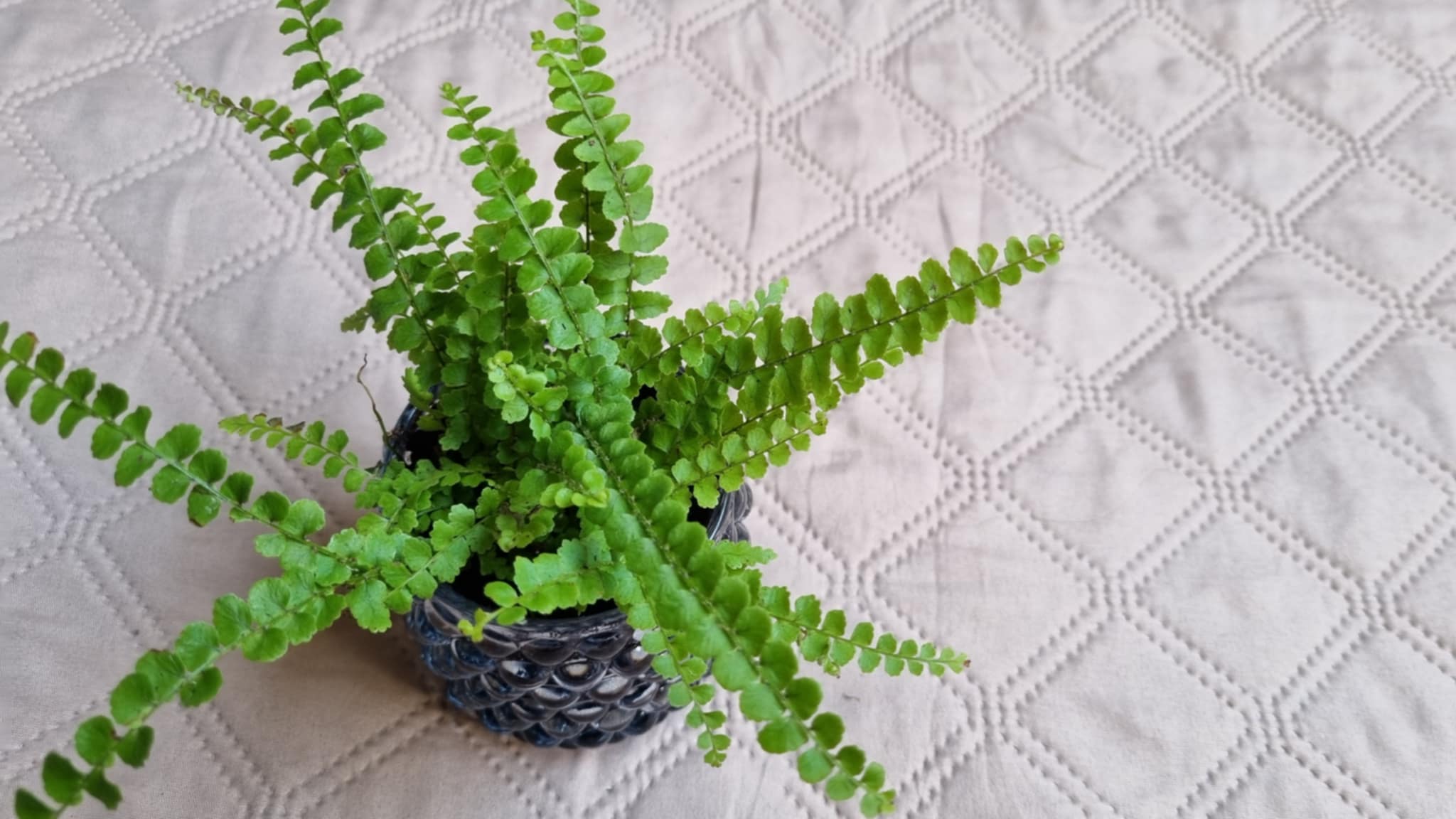
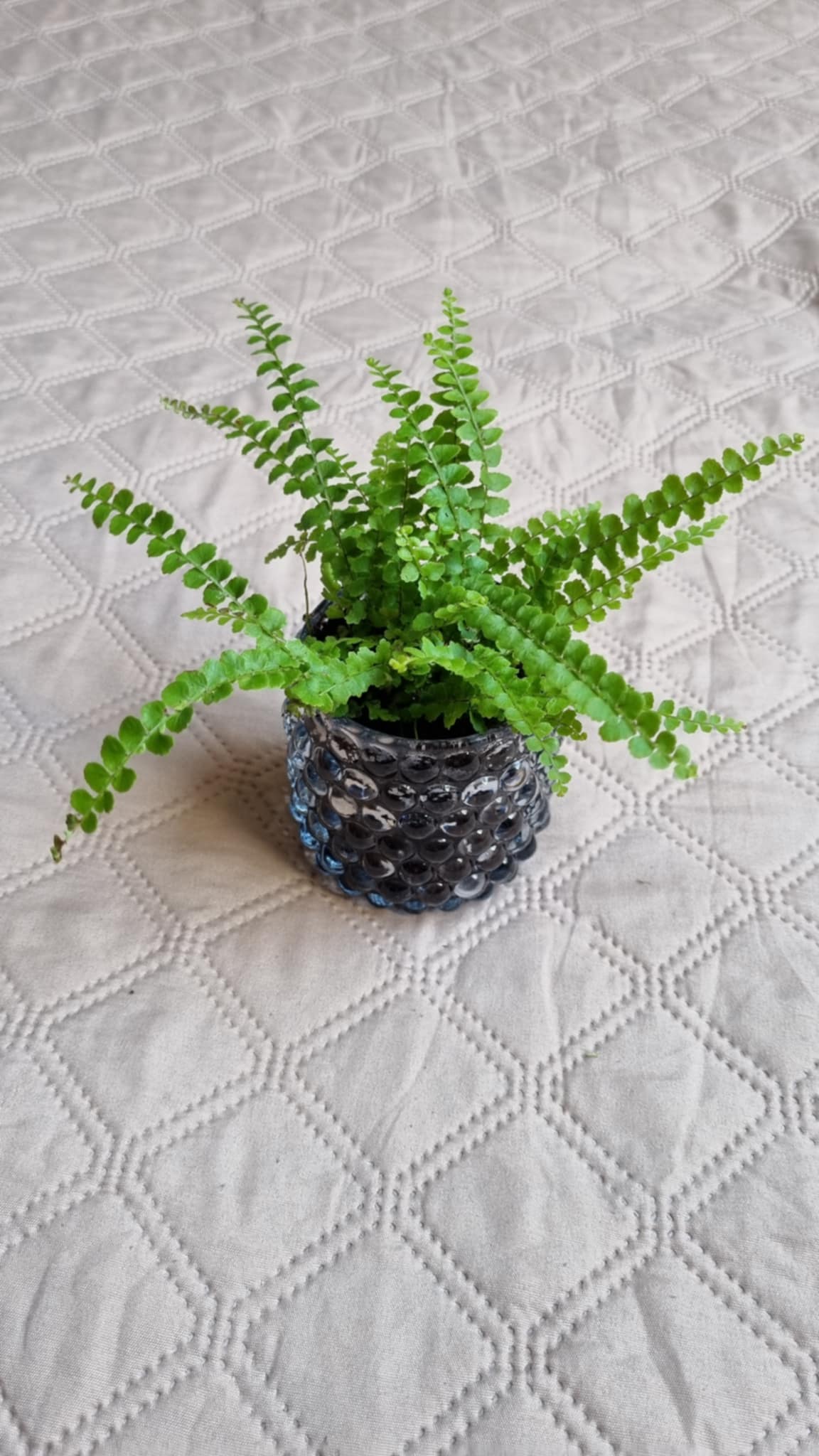
Care Guide for Asplenium viride Huds
1. Light
- Ideal Light: Asplenium viride (Green Spleenwort) prefers bright, indirect light. Direct sunlight can burn the delicate fronds.
- Light Placement: Place in a north or east-facing window, or a few feet away from a south or west-facing window with filtered light.
- Avoid Direct Sunlight: This fern can be damaged by direct sun exposure, especially during hot afternoons. If grown outdoors, place in a shaded location.
2. Watering
- Watering Frequency: Keep the soil consistently moist but not waterlogged. Allow the top half-inch of soil to dry slightly between waterings.
- Seasonal Adjustments: Water more frequently during growth periods in spring and summer. Reduce watering in winter when growth slows.
- Watering Technique: Water thoroughly until it drains from the bottom of the pot. Avoid getting water on the fronds as this can lead to fungal issues.
- Signs of Improper Watering: Crispy brown fronds indicate underwatering, while yellowing fronds may signal overwatering. This fern prefers consistent moisture.
3. Humidity
- Humidity Level: Asplenium viride requires high humidity (60-80%) to thrive. It naturally grows in damp, shaded environments.
-
How to Increase Humidity:
- Mist the air around the plant regularly, but avoid misting the fronds directly to prevent fungal diseases.
- Place the pot on a tray filled with pebbles and water (ensure the pot isn't sitting directly in water).
- Group with other ferns and humidity-loving plants to create a more humid microclimate.
- Use a humidifier nearby, especially during winter when indoor air is drier.
4. Temperature
- Ideal Temperature: Asplenium viride prefers cool to moderate temperatures between 60-70°F (15-21°C).
- Minimum Temperature: Can tolerate brief periods down to 40°F (4°C), but consistent temperatures below 50°F (10°C) may cause damage.
- Avoid Temperature Fluctuations: Keep away from cold drafts, air conditioning vents, and heating sources. Sudden temperature changes can stress the plant.
5. Soil
- Soil Type: Use a well-draining, humus-rich soil mix. A blend of potting soil, peat moss, and perlite works well, with some limestone or crushed shells added as this fern naturally grows on calcareous rocks.
- Soil pH: Neutral to slightly alkaline soil (pH 7.0-8.0) is preferred, unlike many other ferns which prefer acidic soil.
- Drainage: Good drainage is essential despite the fern's love of moisture. Use a pot with drainage holes to prevent root rot.
6. Fertilization
- Fertilizer Type: Use a balanced, water-soluble fertilizer diluted to half the recommended strength, or a specialized fern fertilizer.
- Fertilizing Frequency: Feed monthly during the growing season (spring and summer). Do not fertilize in fall and winter when growth is minimal.
- Application Method: Apply to moist soil to prevent root burn. Avoid getting fertilizer on the fronds as it can cause damage.
- After Repotting: Wait 4-6 weeks before fertilizing newly repotted ferns to allow roots to establish.
7. Repotting
- Frequency: Repot every 2-3 years or when the plant becomes rootbound. This fern grows relatively slowly.
- Pot Size: Choose a pot that's only 1-2 inches larger in diameter than the current one. Asplenium viride prefers to be slightly pot-bound.
- Repotting Process: Carefully remove the plant from its current pot, gently loosen the roots, and place in the new pot with fresh soil mix. Water thoroughly after repotting.
8. Pruning
- Regular Maintenance: Remove any dead, damaged, or discolored fronds at the base using clean, sharp scissors or pruning shears.
- Shaping: Little shaping is needed as this fern naturally forms a compact, attractive shape.
- Cleaning: Gently dust fronds with a soft brush or rinse with room temperature water occasionally to remove dust.
9. Pests and Diseases
- Common Pests: Scale insects, mealybugs, and aphids occasionally affect this fern. Spider mites may appear in dry conditions.
- Pest Prevention: Maintaining proper humidity and occasional inspection of fronds helps prevent pest infestations.
- Treatment: If pests are found, treat with insecticidal soap or neem oil, being careful to follow package directions for ferns specifically.
- Disease Prevention: Prevent fungal issues by ensuring good air circulation, avoiding overhead watering, and not overcrowding plants.
10. Winter Care
- Reduced Watering: Water less frequently in winter but never allow the soil to dry out completely.
- Temperature: Maintain temperatures above 50°F (10°C). This fern appreciates cooler winter temperatures but should be protected from frost.
- Light: Ensure the plant still receives adequate indirect light. Days are shorter in winter, so you may need to move it closer to a window.
- Humidity: Indoor heating can reduce humidity levels in winter, so extra measures to maintain humidity are often needed during this season.
11. Propagation
-
Spores: The main method of propagation for Asplenium viride:
- Collect spores from mature fronds when the sori (spore cases) on the underside turn brown.
- Sow spores on the surface of sterile, moist peat-based compost.
- Cover with clear plastic to maintain humidity and place in indirect light.
- Keep consistently moist by misting or bottom watering. Germination can take several months.
- When young ferns develop true fronds, transplant to individual pots.
-
Division: A more reliable method for home gardeners:
- When repotting, carefully divide the rhizome (underground stem) with attached fronds using a clean, sharp knife.
- Ensure each division has several fronds and healthy roots.
- Plant each division in its own pot with appropriate soil mix.
- Keep divisions in a humid environment until new growth appears.
Asplenium viride Huds, commonly known as Green Spleenwort, is a delicate evergreen fern native to mountainous regions of Europe, Asia, and North America. It typically grows in limestone crevices and on rocky slopes in cool, moist environments. The fern has bright green, linear fronds reaching 4-8 inches (10-20 cm) in length, with a distinctive green rachis (midrib) that gives it its common name and distinguishes it from the related Black Spleenwort (Asplenium trichomanes). Green Spleenwort forms tufts of arching fronds from a short rhizome, creating an elegant display in rock gardens, terrariums, or as a potted specimen. This fern is particularly valuable in specialized fern collections due to its unique appearance and adaptation to alkaline conditions, unlike many other ferns that prefer acidic soil. In its natural habitat, it often grows alongside mosses in partial shade, protected from harsh sun and wind. While not the easiest fern to cultivate, Asplenium viride rewards careful growers with its distinct, delicate beauty and unusual lime-loving nature. Its small size makes it perfect for terrariums, fairy gardens, or small spaces where its fine texture provides elegant contrast to broader-leaved plants.
Comments